Featured

the right gas mixer

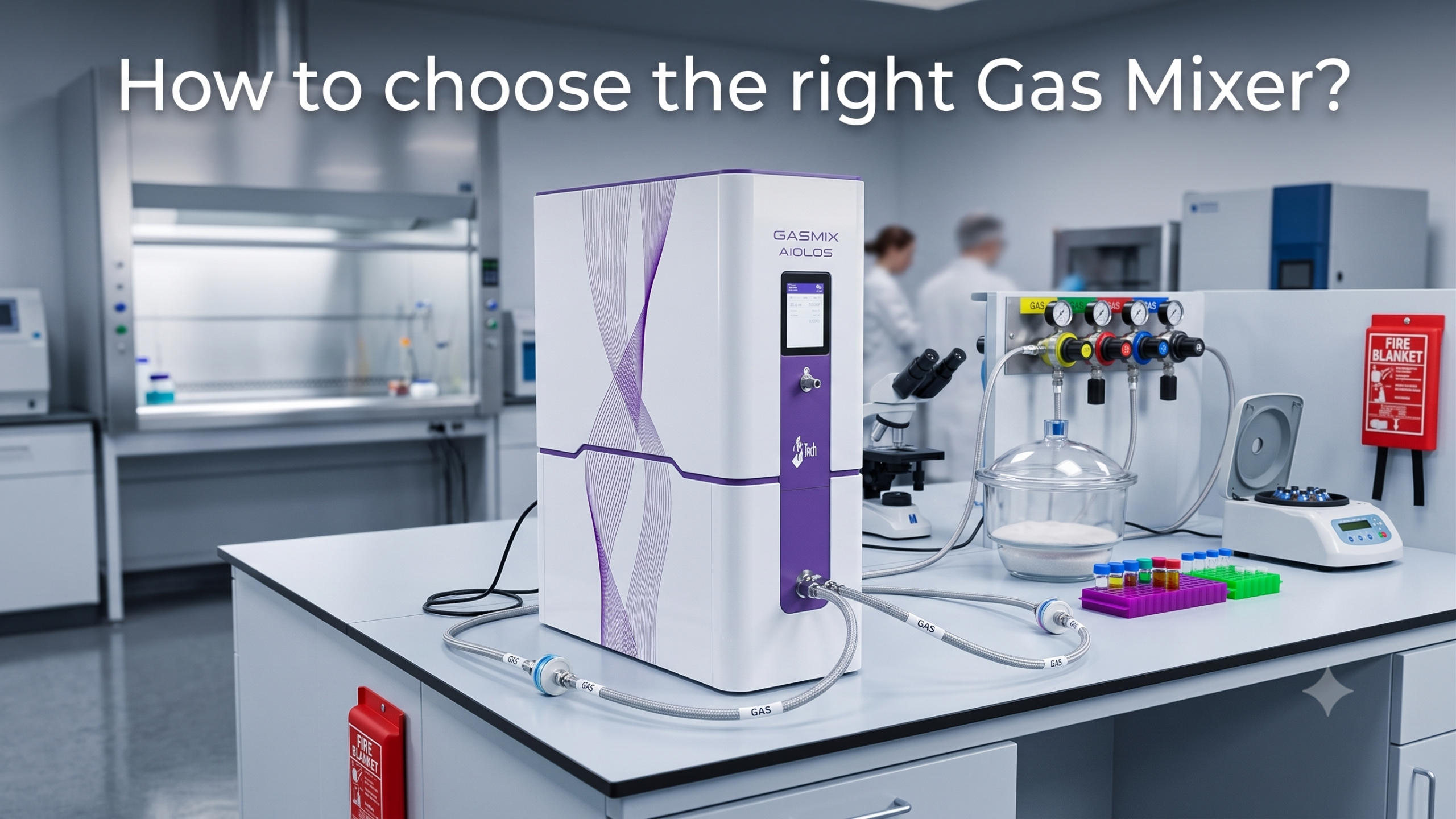
How to Choose the Right Gas Mixer for Your Laboratory: 7 Specs That Actually Matter

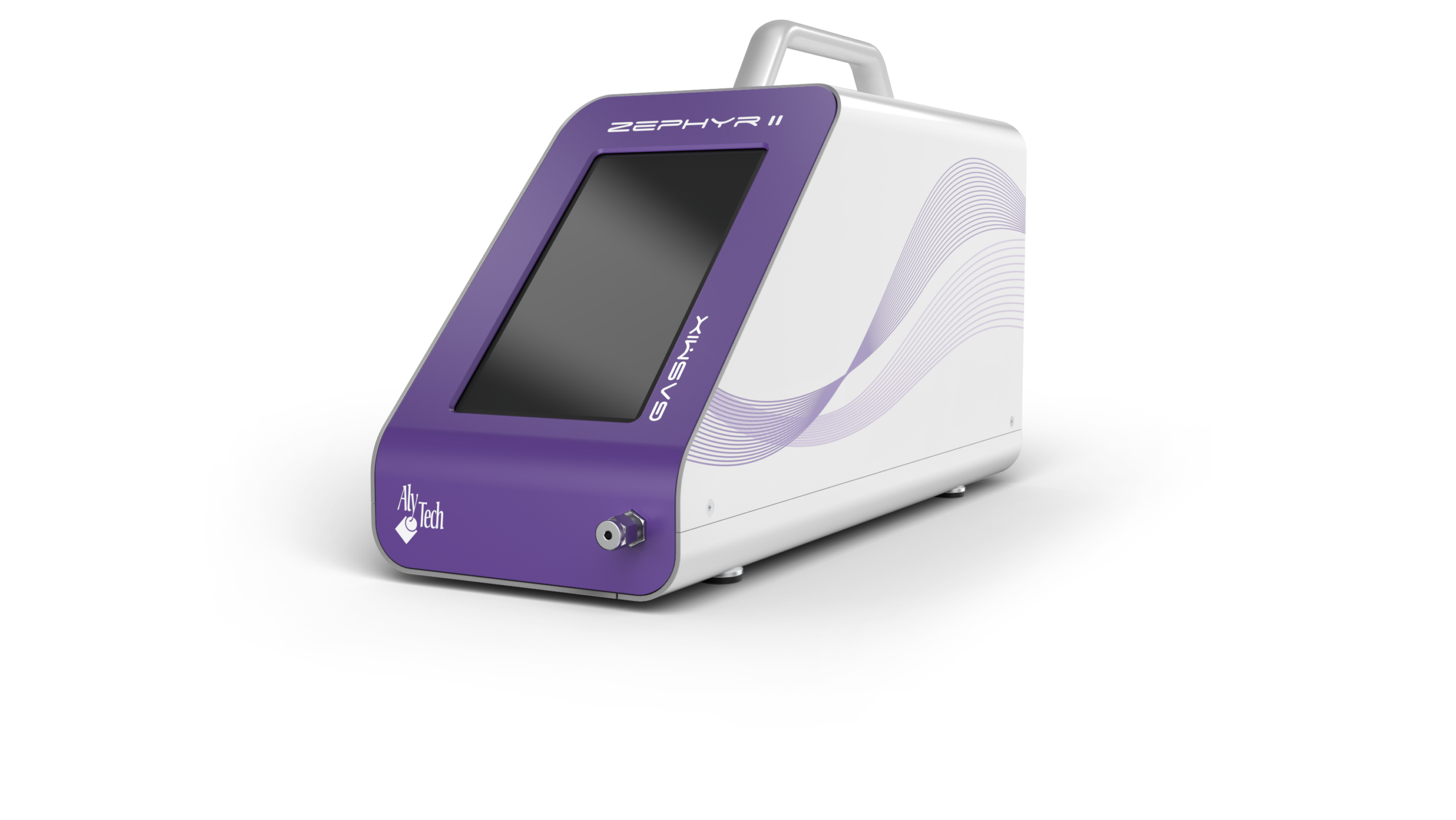
How to Choose the Right Gas Mixer for Your Laboratory: 7 Specs That Actually Matter The right gas mixer is the one whose specifications match how your lab actually works. Seven specs decide it: the dilution ratio you need, how many gases you blend at once, your required concentration accuracy, the traceability and uncertainty you […]

How to Choose the Right Gas Mixer for Your Laboratory: 7 Specs That Actually Matter Read More »
EPA TO-17 Calibration: Gas-Phase Standards for Sorbent Tubes and Thermal Desorption

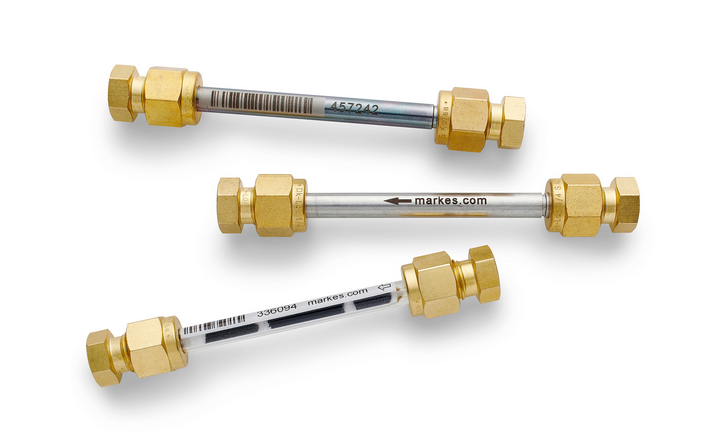
In short: EPA Method TO-17 measures VOCs collected by active sampling on sorbent tubes and analysed by thermal desorption (TD) GC–MS. Reliable quantification depends on calibration standards loaded onto the tube in the gas phase, the same physical state as the field sample. GasMix and LiqMix dynamic dilution systems generate these matrix-matched, multipoint standards on

EPA TO-17 Calibration: Gas-Phase Standards for Sorbent Tubes and Thermal Desorption Read More »

Sonic Nozzle

Dynamic Precision: Why Active MFCs are Outpacing Static Sonic Nozzles

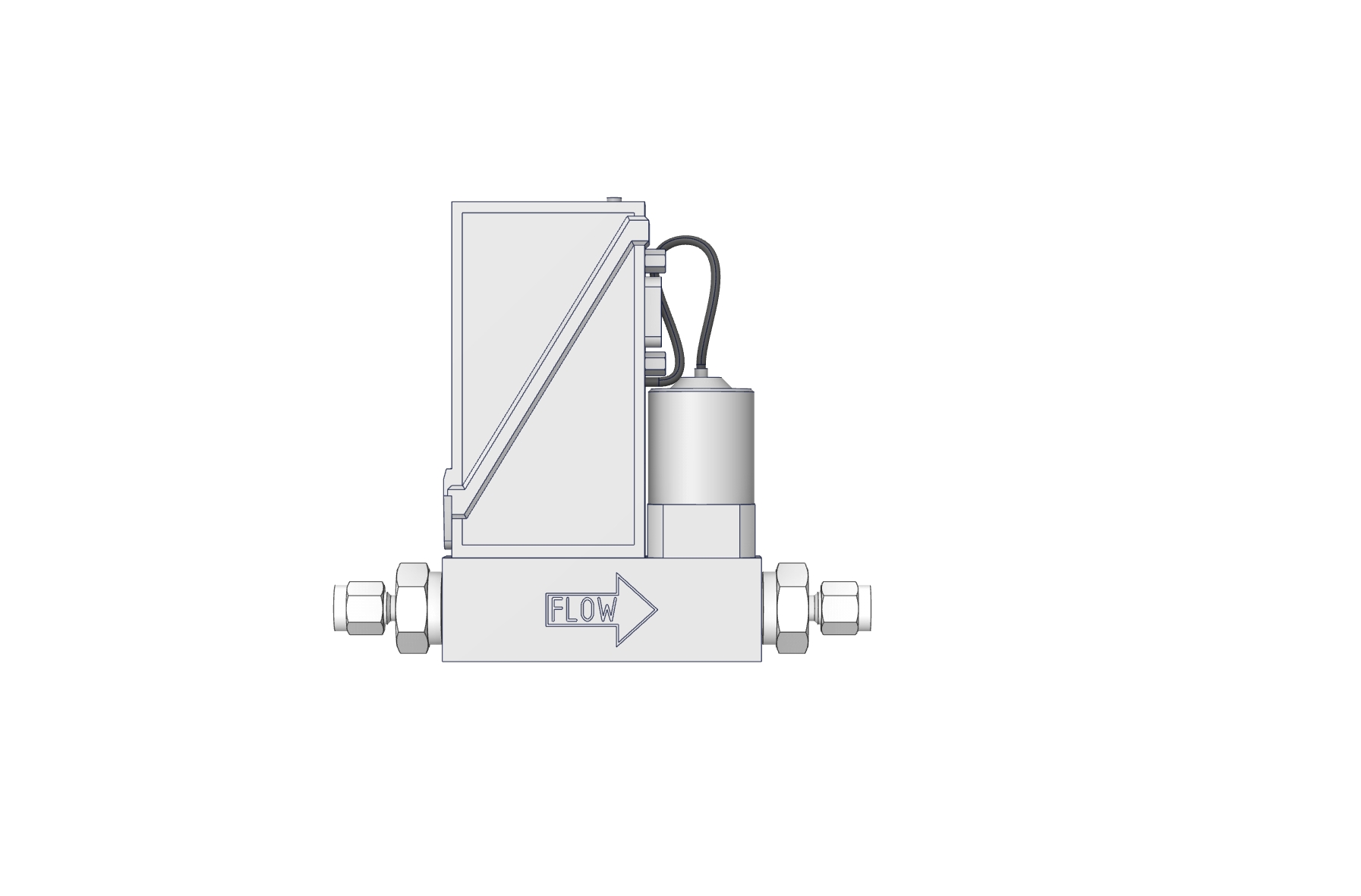
Why MFC Flexibility is Redefining Modern Metrology 1. Fundamental Operating Principles: Stability vs. Agility The Sonic Nozzle (Fixed Geometry): This technology generates mass flow by accelerating gas to the speed of sound at a fixed orifice (choked flow). While mechanically elegant, it is inherently discrete; flow is locked into fixed hardware steps, requiring physical manifold

Dynamic Precision: Why Active MFCs are Outpacing Static Sonic Nozzles Read More »

What is a NIST ( or Equivalent) Traceable Certified Value?

NIST Traceable Certified Value: What It Means and Why It Matters for Gas Calibration If you work in gas analysis, environmental monitoring, or laboratory calibration, you have likely encountered the term NIST traceable certified value. But what does it actually mean — and why does it matter for the accuracy and legal defensibility of your measurements?

What is a NIST ( or Equivalent) Traceable Certified Value? Read More »

Hydrogen fuel

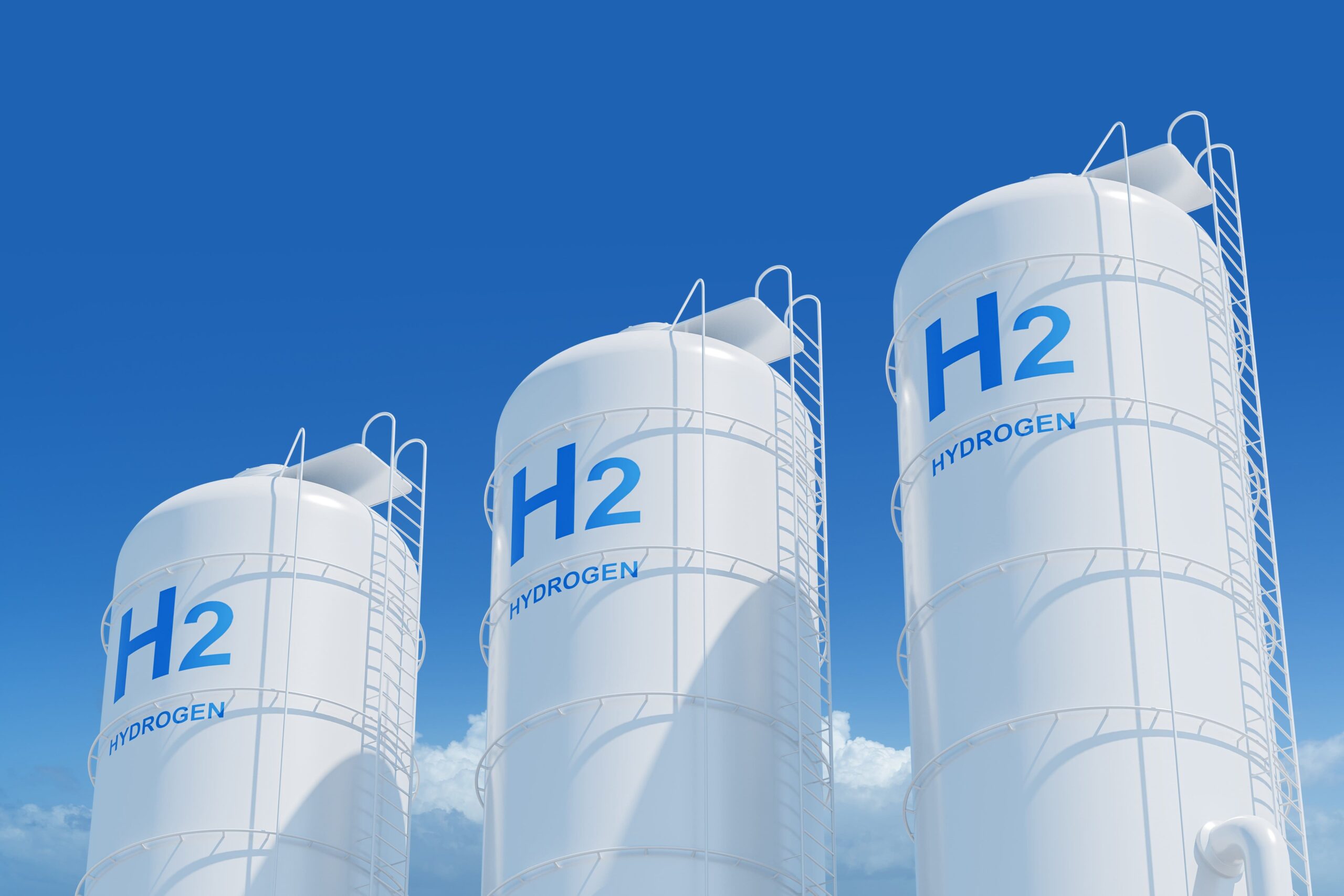
Hydrogen Fuel Purity: How to Calibrate Gas Analyzers at Trace Levels (ISO 14687)

Hydrogen Fuel Purity Calibration (ISO 14687) How to calibrate hydrogen impurity analysers at trace levels, on demand and traceably. ISO 14687 sets impurity limits for fuel-cell hydrogen down to the ppb range, where the calibration standard, not the analyser, becomes the hard part. Commercial trace-level cylinders are expensive, slow to deliver, short-lived and carry 10 to 20 %

Hydrogen Fuel Purity: How to Calibrate Gas Analyzers at Trace Levels (ISO 14687) Read More »

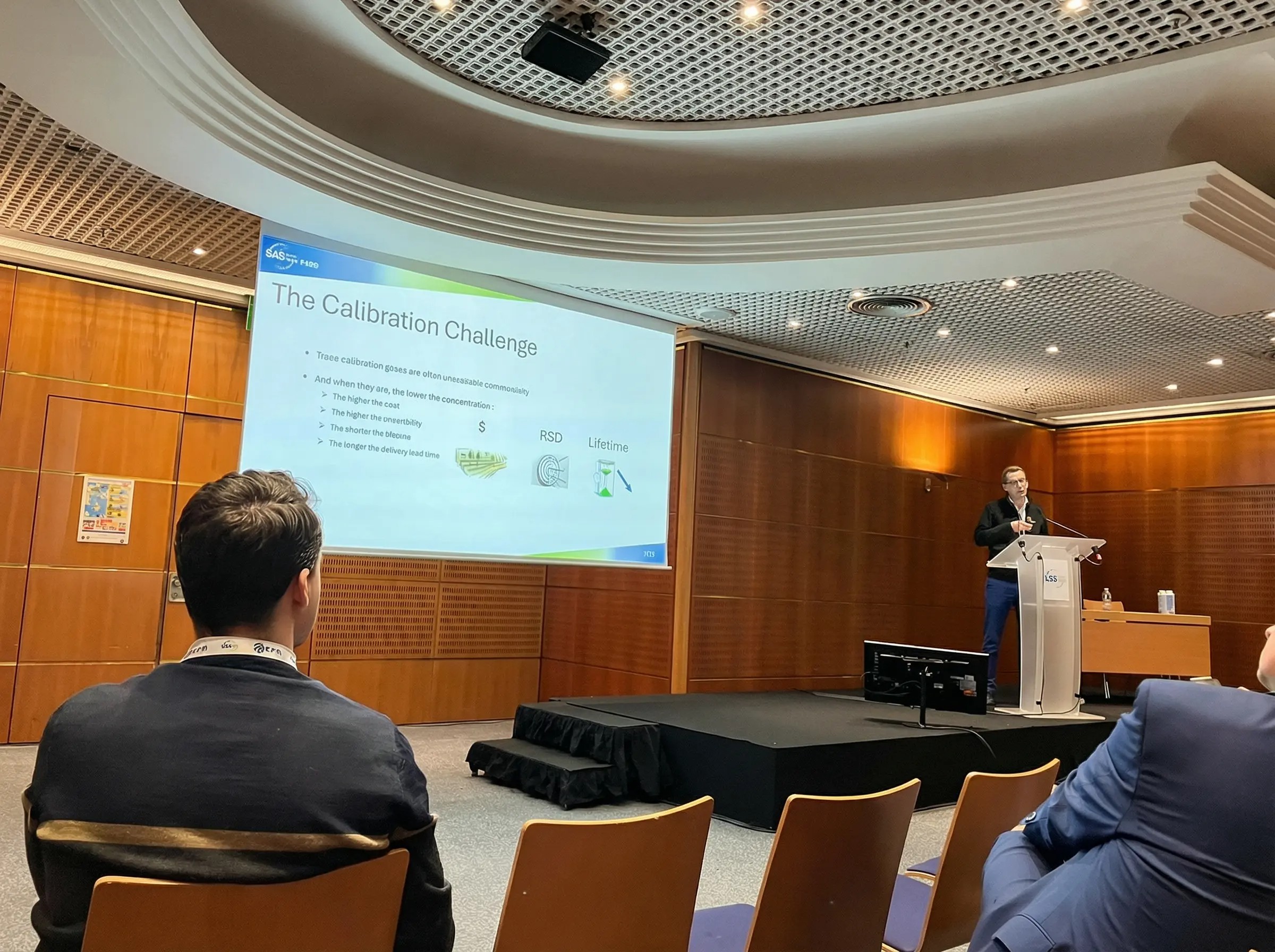
GAS 2026 - GasMix presentation

Trace Level Gas Generation

Trace-Level Gas Generation: Trustable Calibration at ppb Concentrations At sub-ppm and ppb levels, the limit on measurement quality is no longer the analyser, it is the calibration standard. Dynamic gas dilution under ISO 6145-7 generates traceable trace-level standards on demand: high-accuracy mass flow controllers with a combined uncertainty below ±1 % of set flow, dilution down to

Trace Level Gas Generation Read More »

Scroll to Top